
The word "peptides" gets thrown around a lot in wellness conversations — skin care, weight loss, anti-aging, performance. But most explanations either go too deep into biochemistry or stay too vague to be useful.
This is the version you can actually use.
By the end of this article, you'll know what peptides are, why they become relevant after 35, which ones matter most for the goals people at our Fort Myers, Naples, and Sarasota locations most commonly come in with, and how the whole process works — including who handles the medical side.
What Peptides Actually Are
Let's start with the simplest possible definition.
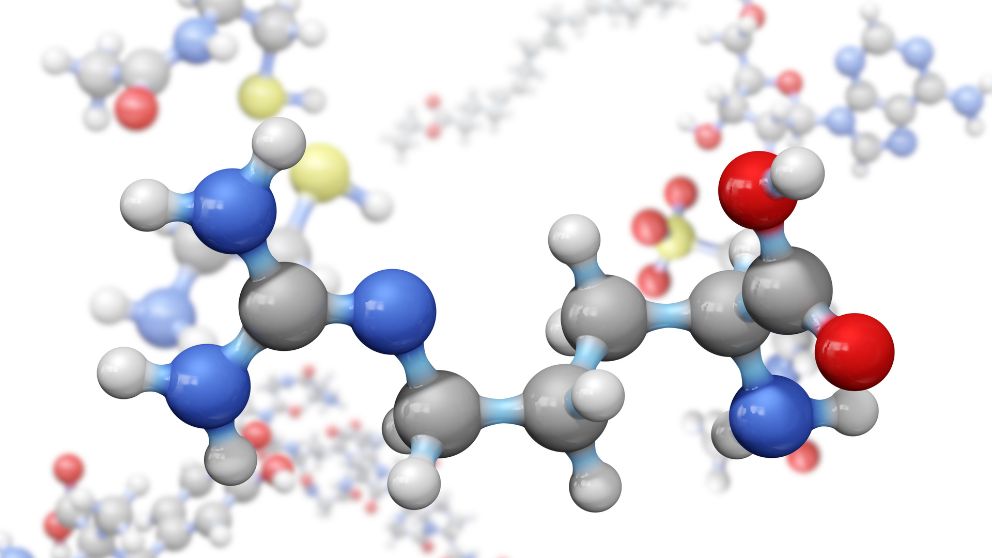
Peptides are small proteins. Specifically, they're short chains of amino acids — the building blocks that make up all proteins in your body. Your body produces thousands of different peptides naturally, and each one acts as a signal. They're chemical messengers that tell specific cells to do specific things: repair tissue, produce hormones, regulate metabolism, trigger cellular energy production, and more.
The important thing to understand is that peptides aren't foreign substances. Your body already makes them. They're part of how your biological systems communicate — and they've been operating inside you your entire life.
Peptide therapy simply involves introducing specific peptides, in therapeutic amounts, to support functions your body has begun performing less efficiently over time.
Why Peptide Levels Matter and Why They Decline
Here's where it becomes relevant for most people reading this.
Sometime in your mid-to-late 30s, something shifts. Your body begins producing less of certain peptides and the hormones they support. Growth hormone levels drop. The signals that regulate cellular repair slow down. Metabolism becomes less efficient. Fat that used to burn relatively easily starts accumulating and staying. Recovery from exercise takes longer. Sleep is less restorative than it used to be.
Most people experience these changes as a cluster of symptoms that are easy to chalk up to "just getting older":
- Persistent fatigue that sleep doesn't fix
- Lower energy through the middle of the day
- Slower recovery after workouts
- Gaining weight without changing your habits
- Brain fog, reduced motivation, harder to concentrate
- Skin that seems to be aging faster than you expected
These symptoms are real. But they're not inevitable, and they're not irreversible. They're largely the result of your body producing less of the signaling compounds it used to make in abundance.
That's a biology problem — and biology is adjustable.
The Peptides People Most Commonly Ask About
At Southwest Florida Med Spa, we work with a licensed medical authority who evaluates each client and manages all prescriptions. Our role is to walk you through what's available and connect you with the right assessment — not to prescribe or recommend anything without proper evaluation first.
That said, here are the peptides that come up most often in conversations with our clients across our Fort Myers, Naples, and Sarasota locations:
NAD+ (Nicotinamide Adenine Dinucleotide)
NAD+ is a compound found in every cell in your body and is involved in almost every energy-producing process that happens at the cellular level. As NAD+ levels decline with age, your cells produce energy less efficiently — which most people experience as the kind of fatigue that doesn't resolve with sleep.
Supplementing with NAD+ supports how efficiently your cells generate and use energy. Clients who've worked with our medical partner often report clearer thinking, more consistent energy across the day, and better overall resilience.
Sermorelin
Sermorelin is a peptide that stimulates your pituitary gland to produce more of its own growth hormone — naturally, rather than by introducing external hormones directly. Growth hormone plays a significant role in lean muscle maintenance, fat metabolism, sleep quality, and recovery from exercise.
After 30, natural growth hormone production declines by roughly 1–2% per year. Sermorelin is one of the most commonly discussed options for people who want to support that decline without the risks associated with direct growth hormone therapy.
Glutathione
Glutathione is often called the body's "master antioxidant" — though that phrase doesn't fully capture what it does. It plays a central role in detoxification (breaking down and eliminating harmful compounds), immune function, cellular repair, and skin health.
Glutathione levels also decline with age and are depleted by stress, poor sleep, and environmental exposure. Supporting these levels through therapy can contribute to better overall function and, for many people, visible improvements in skin clarity and tone.
AOD9604
AOD9604 is a fragment derived from growth hormone that has been specifically studied for its role in fat metabolism. Unlike full growth hormone, it targets the mechanisms associated with how the body breaks down and processes fat — making it relevant for people dealing with stubborn or resistant fat deposits that aren't responding to diet and exercise alone.
MOTS-C
MOTS-C is a peptide that regulates metabolic function at the cellular level. It supports how your body responds to exercise and manages energy balance — particularly relevant for people who feel like their metabolism has slowed significantly compared to earlier in their life.
How Peptide Therapy Works at Southwest Florida Med Spa
We want to be clear and transparent about the process, because we think that matters.
Chris and Kelly at Southwest Florida Med Spa are not prescribers. They're not a medical authority. Their role is to introduce you to what's available, help you understand your options in plain language, and connect you with the licensed medical partner who handles all evaluations and prescriptions properly.
Here's how the process typically works:
- Initial conversation — You talk with Chris or Kelly about what you're experiencing, your health history, and what you're hoping to address. This is the same free consultation we offer for all our services.
- Medical evaluation — If peptide therapy seems relevant to your situation, you'll be connected with the licensed medical authority who works with our practice. They conduct a proper clinical evaluation to determine whether therapy is appropriate and which peptides make sense for your specific needs.
- Individualized prescription — If you're a good candidate, the medical partner prescribes the appropriate peptides at the appropriate dosages. Nothing is standardized or one-size-fits-all.
- Ongoing support — You have access to both the medical partner for clinical questions and to Chris and Kelly for guidance, context, and follow-up as you go through the process.
You're never navigating this alone, and you're always in properly qualified hands.
What Timeline to Expect
Peptide therapy isn't an overnight change — and anyone who tells you otherwise isn't being honest with you.
Different peptides have different timelines. NAD+ often produces energy-related improvements relatively quickly, sometimes within the first few weeks. Sermorelin, which works by gradually supporting your body's own hormone production, typically shows its effects over 3–6 months of consistent use — with many clients reporting better sleep and recovery first, followed by changes in body composition and energy over time.
The honest framing: peptide therapy is a long-term investment in how your body functions, not a short-term fix. The clients who get the most from it are the ones who approach it as part of a broader wellness picture — not as a standalone solution to an isolated problem.
Is Peptide Therapy Right for You?
There's no universal answer to that — which is exactly why the evaluation process matters.
Peptide therapy tends to be most relevant for people in their mid-30s and beyond who are experiencing the symptoms described earlier: persistent fatigue, slower recovery, changes in body composition despite consistent habits, cognitive sluggishness. It's also relevant for people who've tried optimizing diet, exercise, and sleep — and are looking for additional support for functions the body has simply started doing less efficiently.
It's not for everyone, and the evaluation is designed to confirm whether it's appropriate for your specific situation before anything is recommended.
Start with a Conversation
If you've been curious about peptide therapy — or if anything in this article sounds like what you've been experiencing — the first step is a free 20-minute consultation at any of our Southwest Florida locations.
Come in, tell us where you are, and we'll tell you honestly whether this is something worth exploring further. If it is, we'll connect you with the right person to take the next step properly.
Book your free consultation:
📍Fort Myers: (239) 356-6455
📍Naples: (239) 323-1100
📍Sarasota / Bradenton: (941) 289-3813