

When Food Fights Back
Food & Drink Intolerance Test Covering 286 Items
Bloating, fatigue, and brain fog hours after eating? This IgG test measures your response to 286 food and drink items, the most comprehensive panel of its kind in the USA, from one finger-prick sample.
11
+
Years of
Experience
700
+
Patients
Treated
119
+
Google
Reviews


Intolerance Is Common and Often Overlooked
Delayed Reactions, Finally Made Visible
One in four US adults reports food intolerances, yet these reactions are often mistaken for allergies or dismissed as just digestive issues. Unlike immediate allergies, IgG responses can be delayed by hours or days, which makes them hard to spot and easy to blame on the wrong food.
This test measures IgG antibody responses to 286 food and drink items, with results reported across Class 1 to 4 reactions. It is analyzed in a CLIA-certified lab using gold standard macroarray technology, and gives clearer insight than elimination diets alone.
The sample is a simple finger-prick you collect at home, with results in 5 to 10 working days.
The Slow-Burn Symptoms
Signs a Food May Not Agree With You
Because IgG reactions are delayed, the culprit is rarely the last thing you ate. If these low-grade symptoms keep hanging around, testing can connect the dots.

Bloating After Meals
The most common intolerance complaint. The report shows which of the 286 items produced your strongest IgG responses so you know where to start.
Persistent Fatigue
Low-grade immune responses to everyday foods can quietly drain energy. Delayed reactions make the cause almost impossible to spot without testing.
Brain Fog
Trouble focusing hours after eating can be food related. Testing helps you connect symptoms to specific items instead of guessing.
Skin Irritation
Intolerance can show up on your skin as dullness, dryness, or breakouts. Identifying trigger foods gives your skin a chance to settle.
Joint Aches
Ongoing low-grade inflammation is one way delayed food reactions can present. The Class 1 to 4 grading shows which foods matter most.
Digestive Ups & Downs
Cramps, irregularity, and discomfort that come and go often follow a delayed pattern. The report brings that pattern into focus.
Simple Sample, Serious Data
How the Intolerance Test Works
Collect a finger-prick blood sample at home, send it to the CLIA-certified lab, and receive your report within 5 to 10 working days. Every one of the 286 items is graded from Class 1 to Class 4 so you can see exactly which foods to watch.
What the Test Covers
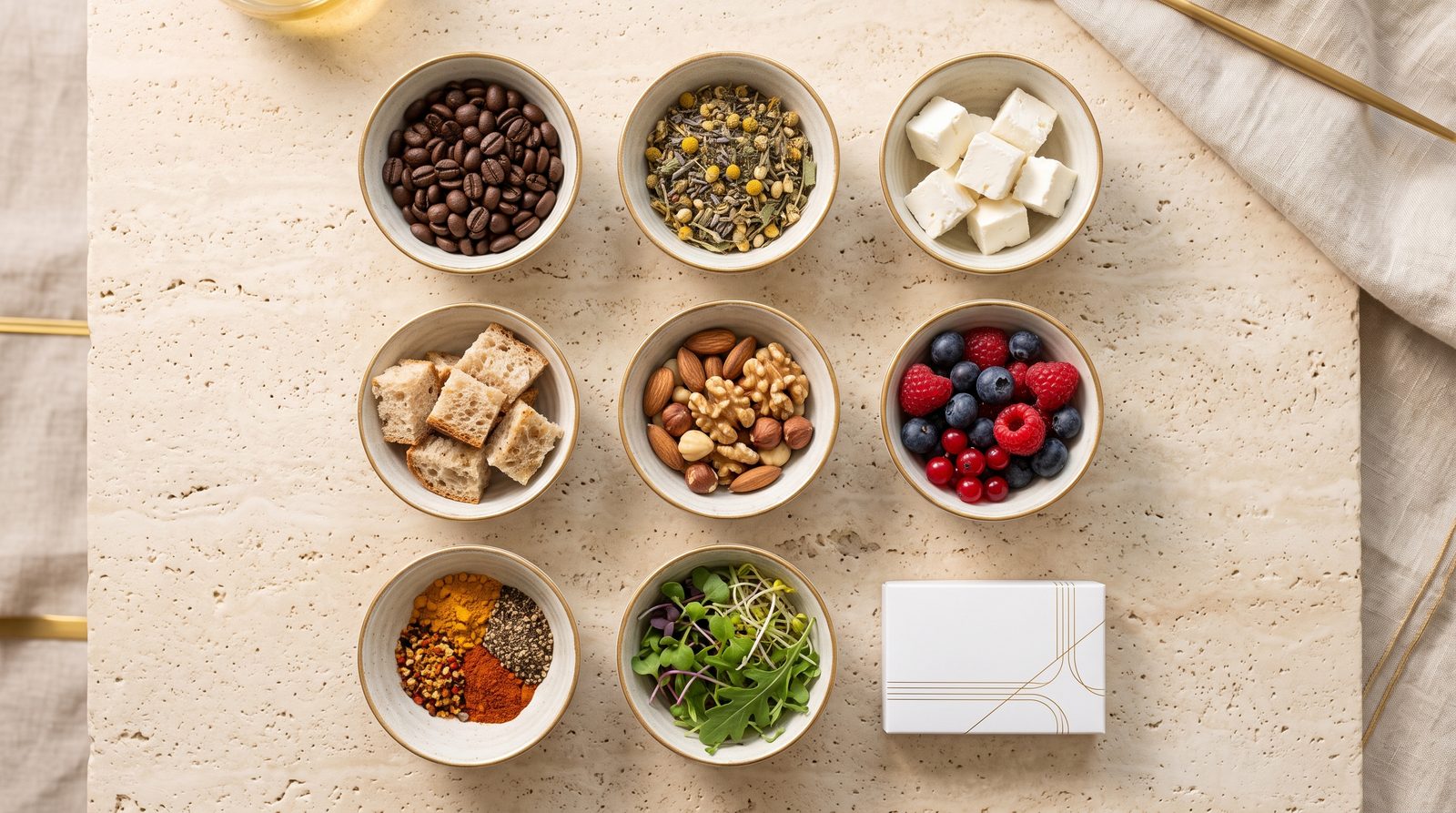
286 food and drink items across every corner of your diet:
- Vegetables, fruits, and superfoods
- Dairy, eggs, and milk proteins
- Meat, fish, and seafood
- Grains, seeds, nuts, beans, and peas
- Spices, fungi, and yeasts
- Coffee, tea, sugars, and sweeteners
- Additives and novel ingredients
Smarter Than an Elimination Diet
Elimination diets mean months of trial and error, cutting foods one at a time and hoping you picked the right one. Testing screens all 286 items at once and shows which ones produced the strongest IgG responses, reported across Class 1 to 4.
Our team helps you turn the report into a practical eating plan, and can pair it with gut testing or medical weight loss support when it makes sense. Results are an insight tool to guide decisions, not a medical diagnosis.

Eat With Confidence
Feel Like Yourself Again
Do not just manage your symptoms. Understand where they come from, and make food choices that work with your body instead of against it.
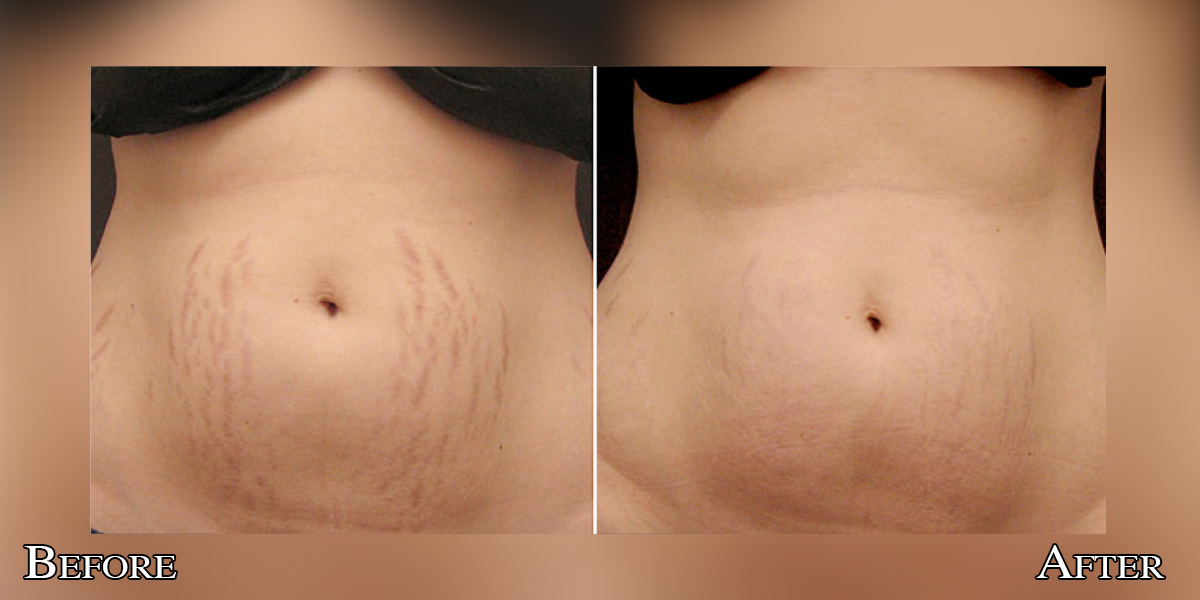
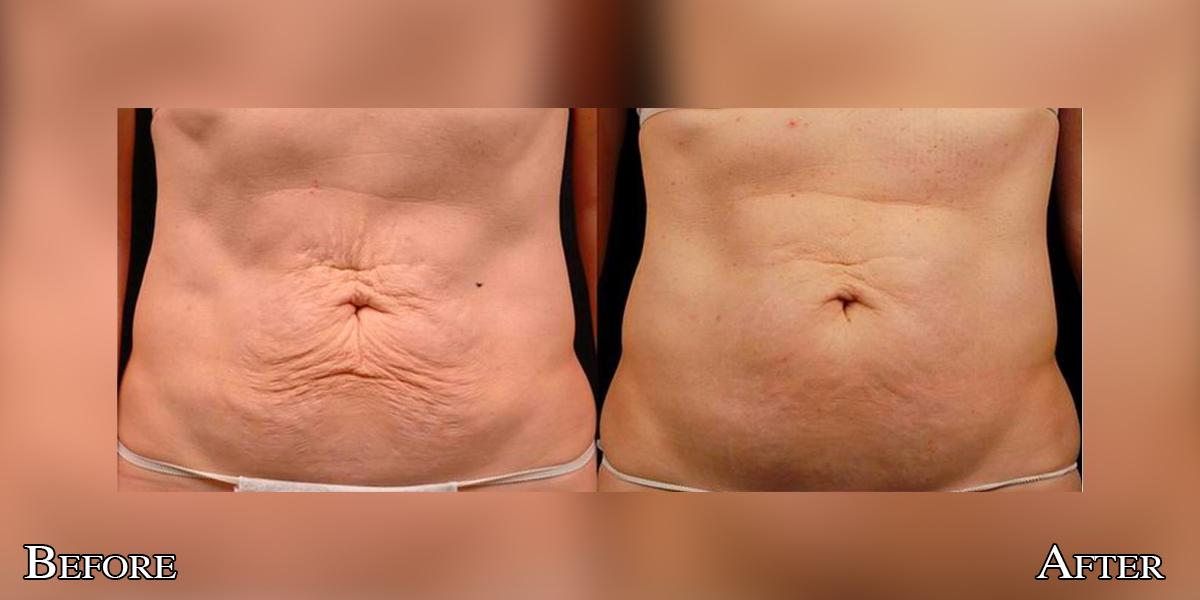
Testimonials That Reflect Real Experiences
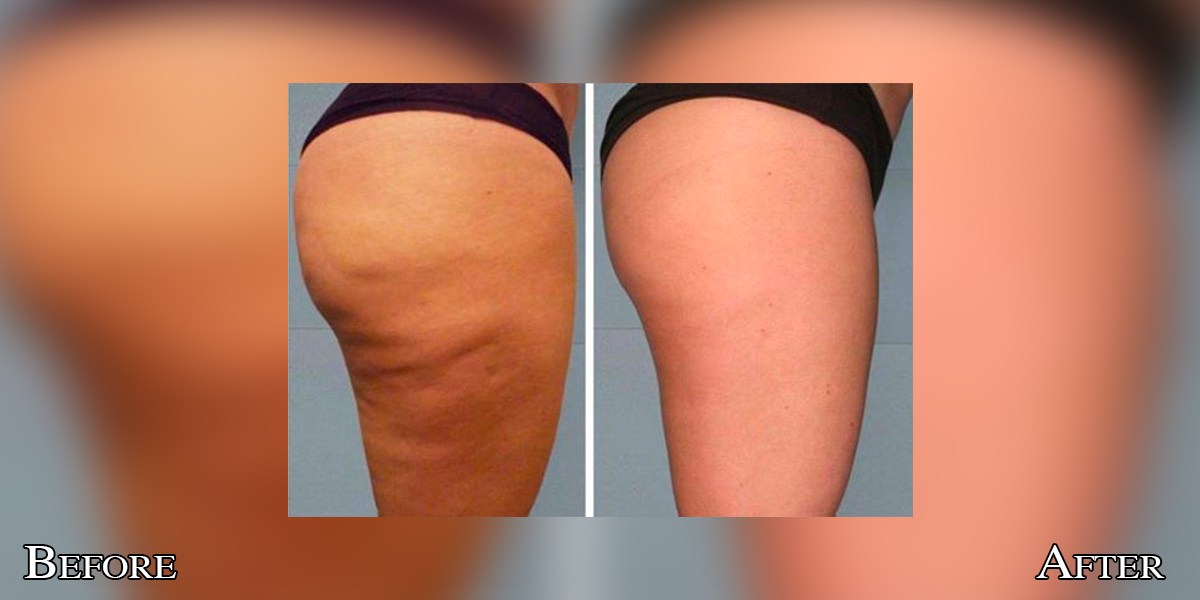
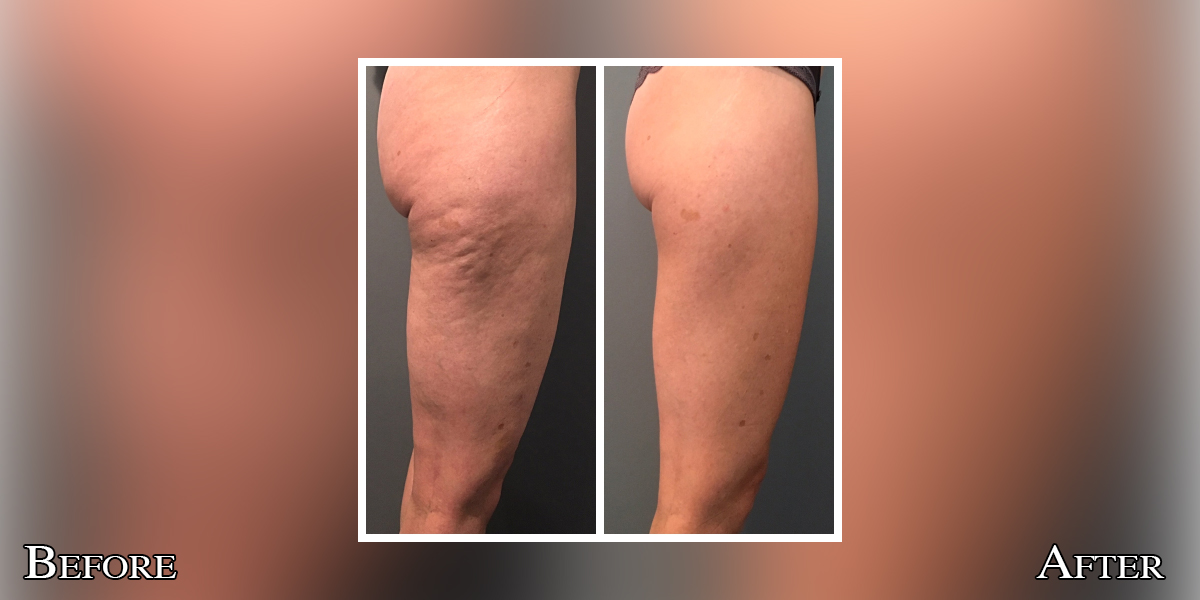
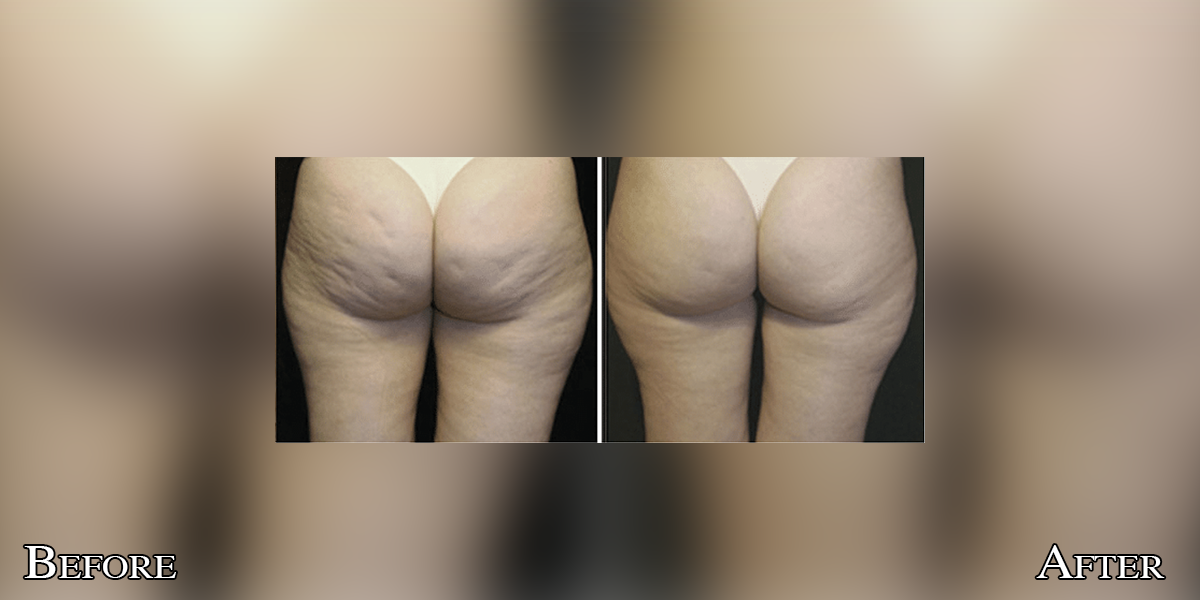
Hear from clients who have experienced the exceptional care and results at Southwest Florida Med Spa. Each story reflects a journey of transformation—from refreshed skin to renewed confidence. See why our clients trust us for safe, personalized, and lasting aesthetic care.


kelly and chris are amazing, i have been doing weight loss treatments with them and i am very happy with the results and how knowledgeable they are i highly recommend!

chris and kelly are amazing i have had 5 sessions of body sculpting sessions with them i am very happy with the results, and they are very welcoming and always make sure you feel very comfortable!

I had my first LipoDissolve session today and the experience was smooth and professional. The provider explained everything clearly and made me feel at ease. The injections were quick with minimal discomfort. I had some mild swelling afterward, which is expected, but overall I’m excited to see the results over the next few weeks! -Maria D.Shay Update 10/30/2025 I’ve been with Premier Age Reversal for 3 months and in just 3 months I lost 21 pounds! But honestly, the best part has been how supported I’ve felt. Kelly and Chris truly cares, and I’d recommend them to anyone! -Maria D. Shay

From the moment I walked in, I could tell Kelly truly cares about her clients. My consultation was so detailed and thoughtful — she took the time to really listen and explain everything clearly, which made me feel completely at ease. The amount of information and care she provided was beyond what I expected. The space is beautiful, spotless, and so comfortable — the whole experience felt professional yet welcoming. I left feeling confident, informed, and so glad I found this place. Highly recommend Kelly to anyone looking for expert care with a personal touch!

chris and kelly are amazing! i highly recommend them! they make you feel very welcomed! and explain everything to you amazingly! all the services they offer are amazing!
kelly and chris are amazing at what they do! they make you feel so welcomed and so comfortable! i have been doing weight loss meditation with them for 2 months now and have seen such a great result, i highly recommend them!
chris and kelly are amazing, they make you feel very comfortable and educate you well on the treatment being provided, i have been going to them for a few months now for medical weight loss and it is truly amazing, i highly recommend the aesthetic center of swfl!

If your serious about making POSITIVE life changes for self improvement please consider booking a consultation with Kelly and Chris.They are both extremely skilled professionals providing and personalizing treatment plans that fit your needs and I can assure that you will not be disappointed in the outcome! I immediately picked up good vibes.. they are very warm, welcoming and so easy to talk to about anything you want to know or have concerns about. To my surprise I saw a difference after my very first treatment and it seriously just keeps getting better faster than I ever expected. It’s given my self-confidence a badly needed boost and I feel 100% better and healthier! This is by far one of the best decisions I have ever made for myself and worth every penny!!! Would give more than 5 stars if it were an option.

I had my first session yesterday and Kelly was very professional. I was a little nervous but she made me feel very comfortable. I chose to have the lipo dissolve procedure on my belly and I was amazed that I could see a difference the next morning. I’m very excited for my next procedures. I highly recommend Kelly.

I have been very happy with the services provided…..From weight loss to skin tightening. Chris and Kelly clearly explain their procedures and are very supportive. I highly recommend trusting them to become a better you!

My experience has been amazing and loving the results in my treatment and Kelly and Chris have been AWESOME

Kelly is amazing very informative answered all my questions the sessions are comfortable and the results are very noticeable. Highly recommend!

Nice atmosphere. Very professional staff. They make you feel welcomed and comfortable during treatments.


Had a very pleasant experience with Kelly. Not exactly sure what I expected but Kelly was great. Thank you so much. See you again soon!

Today was my first session. They were so professional and helpful. They explained all in detail and the treatment was very painless.

Excellent, the best part was Chris, he’s got high costumer service standards. I was coached through the discomfort with joy and kindness that I forgot about time. I’m super grateful I had a great experience!

Highly professional and knowledgeable. Felt great and even lost weight, inches, and firmed up my stomach.


I was always a little skeptical of this treatment would work, but after speaking with the aesthetician and hearing the price for treatment, I decided to have it done. The process is painless and while I don’t notice any results right away, after just a few sessions, it became clearly noticeable and I am very pleased with the results!


They are so kind and accommodating. I have only had two treatments but I am hopeful that I will see change by my next treatments.

I had a great conversation at the Aesthetic center of SWFL. I believe they have a great product to offer their clients. Go and see for yourself ‘

Great experience-very professional and helpful in determining what will work best for me Excited to see the results!!!!


I really wasn’t sure what to expect when my husband booked me an appointment at Premier Age Reversal. I am so happy that he did, the staff is very kind and answers all of your questions and takes away any anxiety you may have. I did the cryo-lean 360 body contouring on my abdominal area. It worked better than I could have imagined! So happy with the outcome.

Chris and Kelly are both amazing people and make you feel so comfortable, and the results are amazing. ! Highly recommended!
amazing staff who are very informative while making sure you are comfortable and understanding of the treatments! highly recommend!!!

I have been going to Aesthetic Center of SWFL for the last several months and the place is amazing! Kelly and Chris are amazing, thoughtful and thorough. They explain the procedures and are always willing to listen and help with any questions are concerns. I had a mommy makeover 2 years ago and have been disappointed with the results and treatment at the clinic I went too. I went to Premier to fix the subpar job and they have done an amazing job fixing it. I’m so glad I went to them. I can’t wait to see the results once completed! I would highly recommend them to anyone! Five star service!

During my consultation for CryoLean treatments, the staff was very friendly and took the time to explain the procedure in detail. All questions were answered. The office was very clean and comfortable. The Cryo Lean treatment lasted about an hour. I was pleasantly surprised by how comfortable the process was! The staff checked in with me as the procedure progressed to see how I was feeling. Overall, I have had a positive experience and would highly recommend it to anyone considering Cryo Lean treatments.

My experience has been excellent. I went in a little skeptical and hopeful, and the results have been great. I am very excited with the results and Chris and Kelly have been very informative and caring.


If you want to get the results you are looking for go and see Kelly and Chris they are awesome!!! I promise you won’t be disappointed⭐️✨⭐️

Been to the Aesthetic Center twice, both times had a great experience with Kelly, She took her time, explaining and talking to me Through the whole procedure,.making sure everything was fine and Comfortable for me. Definitely recommend her

Very thorough staff. Explained the process prior and checked on me during to make sure I was comfortable. Highly recommend!! **Update - I had 7 cyrolean treatments and 3 lipo-dissolve. The cryolean was on my abdomen and thighs, lipo-dissolve on my abdomen. I have a more defined abdomen from these procedures and firmer thighs. If I would have eaten better throughout the entire process I feel I would have seen an even greater improvement. The best staff anyone could ask for!! Will be back.

I highly recommend Premier Age Reversal for anyone looking into health/beauty treatments. The owners are amazingly friendly and informative! They guide you through every treatment helping to ensure you achieve your desired results. The sessions are relaxing and I enjoyed coming in for each appointment. If you are hesitant or need more information, don’t hesitate to ask them to put your mind at ease. I promise it’s worth while. Clean facility, great options, and good prices. You won’t be disappointed!!


Was my first time here they were wonderful. Very professional and made me feel very comfortable throughout the process !

Absolutely loved my first visit. I was educated on a suggested treatment plan and confidently signed up for sessions. The session was painless and relaxing. I highly recommend visiting the team for a consultation. You will be amazed with how you are treated and how good you look and feel after just one session!

Kelly was very informative and lovely to talk with. She answered all my questions and concerns.


The Aesthetic Center SWFL exceeded my expectations with their impressive array of scents, facials, and pampering treatments that left my skin feeling rejuvenated and refreshed, while their professional staff and high-quality products made me feel confident in their expertise and capabilities. From micro-channeling sessions that reduced fine lines and wrinkles to their comprehensive wellness center services aimed at overall skin health and wellness, I was consistently impressed with the results and overall experience.

The Aesthetic Center SWFL offers an impressive array of scents, facials, and pampering treatments that left me feeling refreshed and revitalized, while their professional staff and high-quality products ensured a comprehensive approach to my overall wellness and beauty. From wrinkle reduction to cellulite treatment, I was thoroughly impressed with the entire experience, making it easy to return for future hair rejuvenation and fat reduction treatments alike.


When you go in, ask about their specials! The atmosphere of this company is soothing and relaxing (I’ve fallen asleep during my sessions when I have gone), the staff is very personable, helpful, prompt, friendly, and answers every question you may have with confidence and knowledge. They take Care Credit as well - which is also another nice perk of this place! I was supposed to go today for another session, but in leu of the hurricane, I had other things to attend to. They have worked with me since day one and I look forward to getting my treatment rescheduled within the week!


Great experience. Chris and Kelly always concerned about my comfort I had few sessions already seeing a lot of results I'm very very satisfied. Lost couple inches already.

I was able to see my results after the first treatment. My husband was impressed and remarked on how good my abdomen was looking.





Frequently Asked Questions
Get answers to the most common questions about the Food & Drink Intolerance Test, from what IgG means to how to use your results.
How is intolerance different from allergy?
Allergies involve IgE antibodies and appear within minutes. Intolerances involve IgG antibodies and can take hours or days to show symptoms, which is why they are so hard to identify without testing. This test measures IgG. For allergies, see our 176 Allergy Test.
Why not just do an elimination diet?
Elimination diets test one food at a time and can take months. This panel screens 286 items in one pass and grades each from Class 1 to 4, giving you a clear starting list in under two weeks.
How do I take the test?
With a simple finger-prick blood sample collected at home. The kit ships to a CLIA-certified lab that uses gold standard macroarray technology, and results arrive in 5 to 10 working days.
What do Class 1 to 4 reactions mean?
Each item is graded by the strength of your IgG response. Class 1 is a mild response and Class 4 is the strongest. Higher classes are the foods most worth adjusting first.
Is this a medical diagnosis?
No. The report is laboratory-based insight into your IgG responses, designed to guide food choices. For significant or worsening symptoms, review your results with a healthcare professional.