

Stop Guessing Your Triggers
176 Allergy Test With Lab-Based IgE Analysis
Itching, hives, sneezing, watery eyes, wheezing? One finger-prick sample screens 176 food and environmental allergens in an accredited laboratory, with your digital report ready in 5 to 10 days.
11
+
Years of
Experience
700
+
Patients
Treated
119
+
Google
Reviews


Could Allergies Be Behind Your Symptoms?
One Panel, 176 Potential Triggers
Allergies occur when the immune system mistakenly reacts to substances that are normally harmless. That response produces IgE antibodies, which can trigger symptoms within minutes of exposure.
The 176 Allergy Test measures specific IgE antibodies across a wide range of food and environmental allergens in one comprehensive panel, including meat and dairy, vegetables and legumes, grains and seeds, nuts, fruits, and seafood, plus your total IgE level.
Where many tests focus on a single allergen, this panel gives you a broad overview of potential allergic sensitization in one pass, analyzed with clinically recognized IgE antibody testing in an accredited lab.
Sound Familiar?
Common Symptoms of Allergic Reactions
Allergic reactions show up in many forms, and the trigger is often not what you expect. If these symptoms keep returning, testing can help identify what your body may be reacting to.

Itching & Hives
Raised, itchy patches that appear soon after eating or exposure are a classic IgE response. The panel helps narrow down which allergen is responsible.
Swelling
Unexplained swelling of the lips, face, or skin can signal an allergic reaction. Testing shows which of 176 triggers deserve a closer look.
Sneezing & Runny Nose
Constant sniffles are not always a cold. Environmental allergens like pollen, dust, and dander are included in the panel.
Watery, Itchy Eyes
Eye irritation that flares in certain places or seasons often points to environmental allergies worth confirming.
Wheezing
Airway symptoms deserve attention. The report shows which allergens produce your strongest IgE responses so you can discuss them with a professional.
Digestive Upset
Food allergies can show up in the gut too. The panel covers major food groups from dairy and nuts to seafood and grains.
Three Simple Steps
How the 176 Allergy Test Works
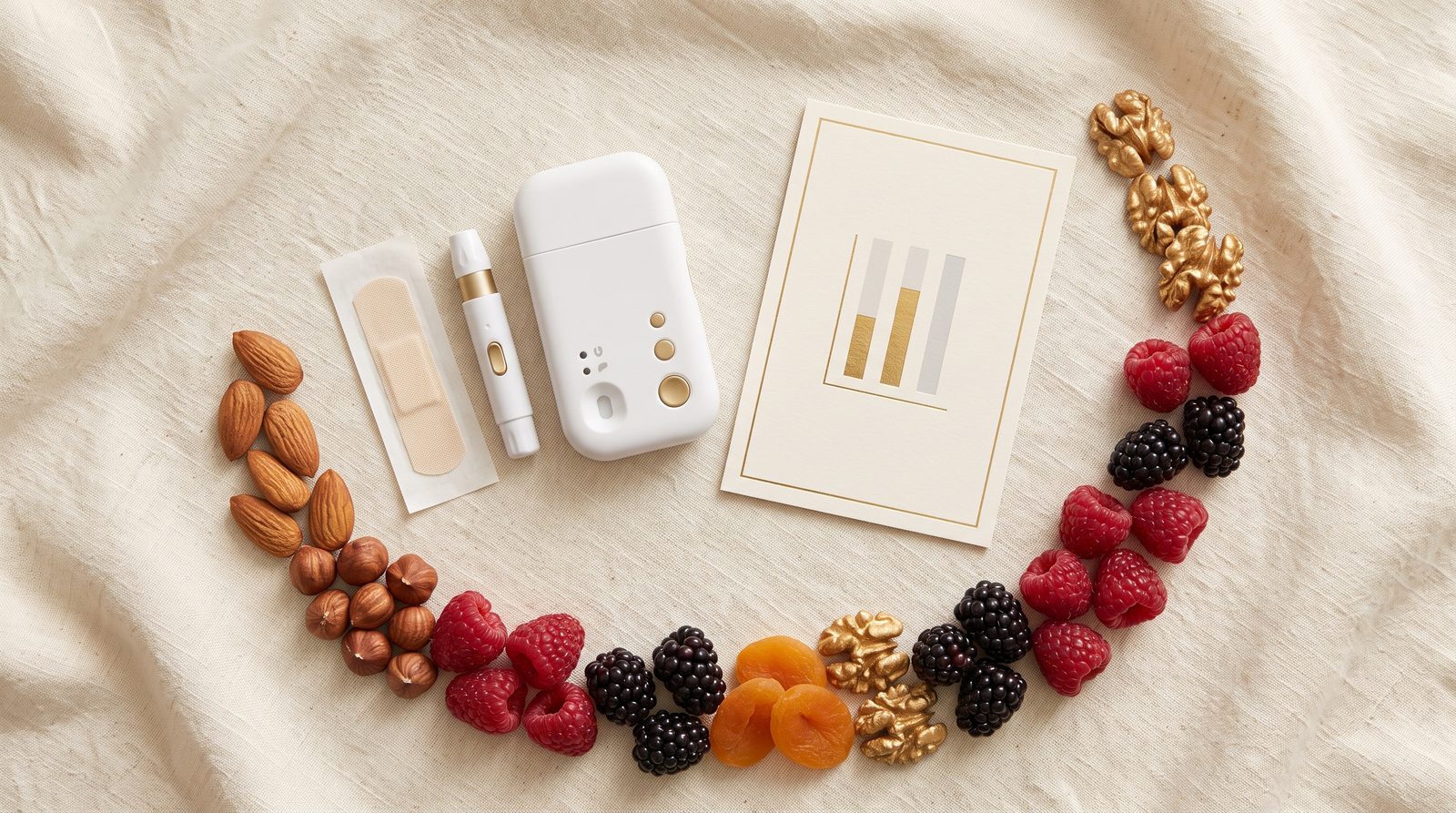
Prick your finger and collect a small blood sample at home, send it to the lab for clinically recognized IgE antibody analysis, and receive your digital results report within 5 to 10 days of sample receipt.
What Makes This Test Different
Symptoms alone leave you with uncertainty, trial-and-error avoidance, and guesswork. The 176 Allergy Test replaces that with data:
- 176 food and environmental allergens tested in one panel
- Specific IgE analysis for each allergen, plus total IgE
- A recognized Class 0 to 6 grading system showing which allergens produce the strongest immune responses
- Laboratory-based insights from an accredited lab
Understanding Your Results
Your report shows which specific allergens produced elevated IgE responses, how strong each response is on the Class 0 to 6 scale, and whether food allergens, environmental allergens, or both may be contributing to your symptoms.
It also highlights which results may warrant a conversation with a healthcare professional, so you know exactly what to bring to your next appointment.
Clarity Feels Good
Know Your Triggers, Live More Freely
When you know what your body reacts to, everyday choices get easier. See how our clients use testing as the first step toward feeling better.
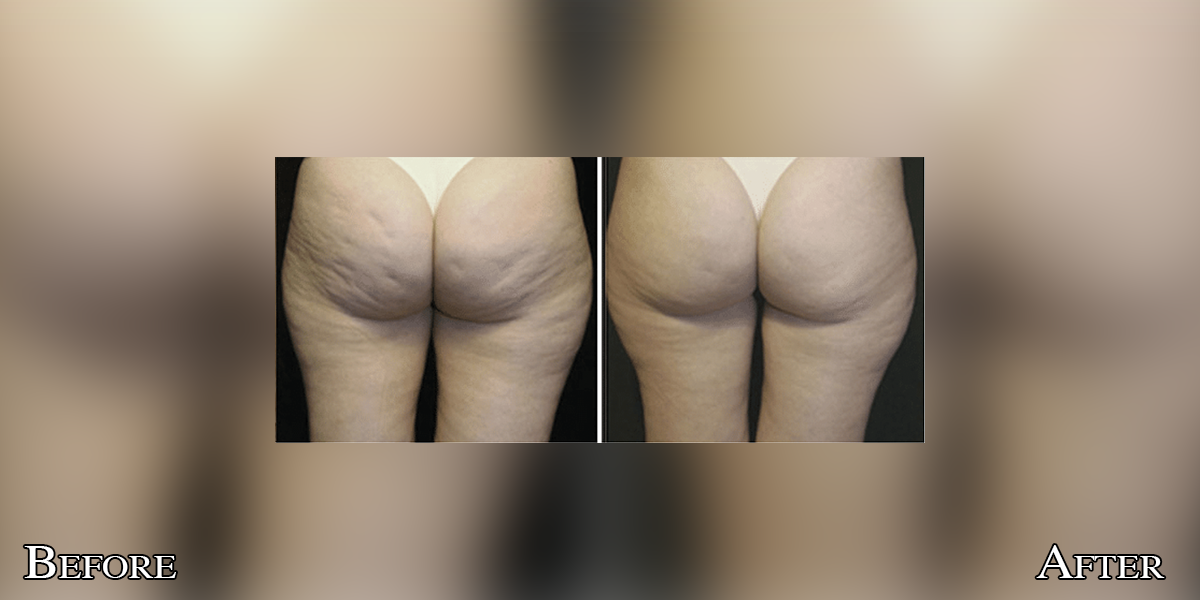
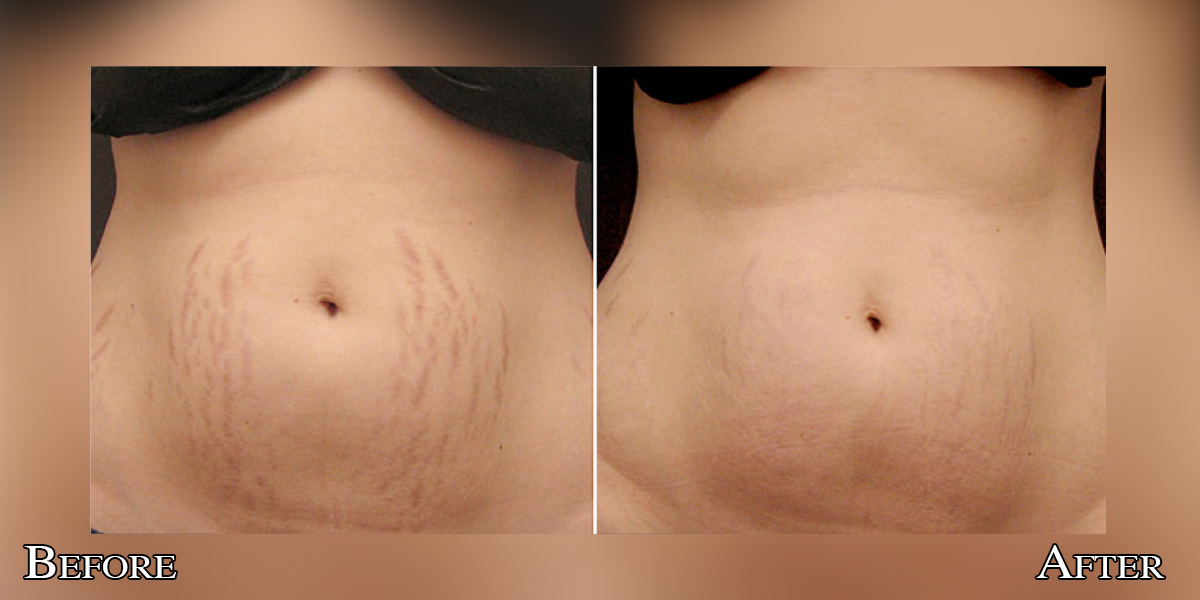
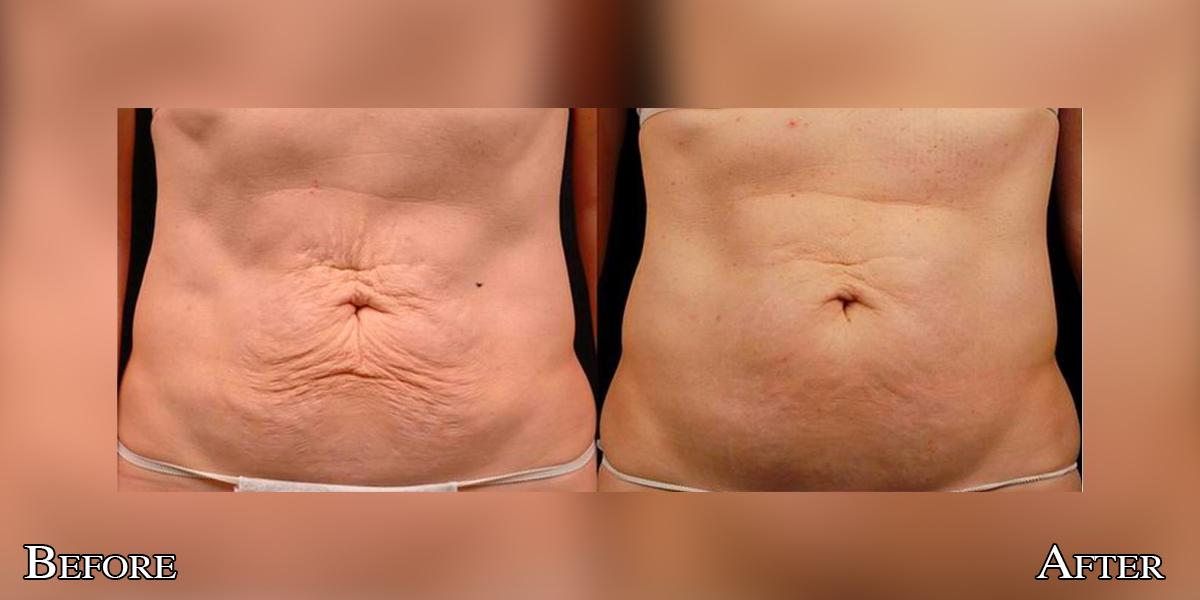
Testimonials That Reflect Real Experiences
Hear from clients who have experienced the exceptional care and results at Southwest Florida Med Spa. Each story reflects a journey of transformation—from refreshed skin to renewed confidence. See why our clients trust us for safe, personalized, and lasting aesthetic care.


kelly and chris are amazing, i have been doing weight loss treatments with them and i am very happy with the results and how knowledgeable they are i highly recommend!

chris and kelly are amazing i have had 5 sessions of body sculpting sessions with them i am very happy with the results, and they are very welcoming and always make sure you feel very comfortable!

I had my first LipoDissolve session today and the experience was smooth and professional. The provider explained everything clearly and made me feel at ease. The injections were quick with minimal discomfort. I had some mild swelling afterward, which is expected, but overall I’m excited to see the results over the next few weeks! -Maria D.Shay Update 10/30/2025 I’ve been with Premier Age Reversal for 3 months and in just 3 months I lost 21 pounds! But honestly, the best part has been how supported I’ve felt. Kelly and Chris truly cares, and I’d recommend them to anyone! -Maria D. Shay

From the moment I walked in, I could tell Kelly truly cares about her clients. My consultation was so detailed and thoughtful — she took the time to really listen and explain everything clearly, which made me feel completely at ease. The amount of information and care she provided was beyond what I expected. The space is beautiful, spotless, and so comfortable — the whole experience felt professional yet welcoming. I left feeling confident, informed, and so glad I found this place. Highly recommend Kelly to anyone looking for expert care with a personal touch!

chris and kelly are amazing! i highly recommend them! they make you feel very welcomed! and explain everything to you amazingly! all the services they offer are amazing!
kelly and chris are amazing at what they do! they make you feel so welcomed and so comfortable! i have been doing weight loss meditation with them for 2 months now and have seen such a great result, i highly recommend them!
chris and kelly are amazing, they make you feel very comfortable and educate you well on the treatment being provided, i have been going to them for a few months now for medical weight loss and it is truly amazing, i highly recommend the aesthetic center of swfl!

If your serious about making POSITIVE life changes for self improvement please consider booking a consultation with Kelly and Chris.They are both extremely skilled professionals providing and personalizing treatment plans that fit your needs and I can assure that you will not be disappointed in the outcome! I immediately picked up good vibes.. they are very warm, welcoming and so easy to talk to about anything you want to know or have concerns about. To my surprise I saw a difference after my very first treatment and it seriously just keeps getting better faster than I ever expected. It’s given my self-confidence a badly needed boost and I feel 100% better and healthier! This is by far one of the best decisions I have ever made for myself and worth every penny!!! Would give more than 5 stars if it were an option.

I had my first session yesterday and Kelly was very professional. I was a little nervous but she made me feel very comfortable. I chose to have the lipo dissolve procedure on my belly and I was amazed that I could see a difference the next morning. I’m very excited for my next procedures. I highly recommend Kelly.

I have been very happy with the services provided…..From weight loss to skin tightening. Chris and Kelly clearly explain their procedures and are very supportive. I highly recommend trusting them to become a better you!

My experience has been amazing and loving the results in my treatment and Kelly and Chris have been AWESOME

Kelly is amazing very informative answered all my questions the sessions are comfortable and the results are very noticeable. Highly recommend!

Nice atmosphere. Very professional staff. They make you feel welcomed and comfortable during treatments.


Had a very pleasant experience with Kelly. Not exactly sure what I expected but Kelly was great. Thank you so much. See you again soon!

Today was my first session. They were so professional and helpful. They explained all in detail and the treatment was very painless.

Excellent, the best part was Chris, he’s got high costumer service standards. I was coached through the discomfort with joy and kindness that I forgot about time. I’m super grateful I had a great experience!

Highly professional and knowledgeable. Felt great and even lost weight, inches, and firmed up my stomach.


I was always a little skeptical of this treatment would work, but after speaking with the aesthetician and hearing the price for treatment, I decided to have it done. The process is painless and while I don’t notice any results right away, after just a few sessions, it became clearly noticeable and I am very pleased with the results!


They are so kind and accommodating. I have only had two treatments but I am hopeful that I will see change by my next treatments.

I had a great conversation at the Aesthetic center of SWFL. I believe they have a great product to offer their clients. Go and see for yourself ‘

Great experience-very professional and helpful in determining what will work best for me Excited to see the results!!!!


I really wasn’t sure what to expect when my husband booked me an appointment at Premier Age Reversal. I am so happy that he did, the staff is very kind and answers all of your questions and takes away any anxiety you may have. I did the cryo-lean 360 body contouring on my abdominal area. It worked better than I could have imagined! So happy with the outcome.

Chris and Kelly are both amazing people and make you feel so comfortable, and the results are amazing. ! Highly recommended!
amazing staff who are very informative while making sure you are comfortable and understanding of the treatments! highly recommend!!!

I have been going to Aesthetic Center of SWFL for the last several months and the place is amazing! Kelly and Chris are amazing, thoughtful and thorough. They explain the procedures and are always willing to listen and help with any questions are concerns. I had a mommy makeover 2 years ago and have been disappointed with the results and treatment at the clinic I went too. I went to Premier to fix the subpar job and they have done an amazing job fixing it. I’m so glad I went to them. I can’t wait to see the results once completed! I would highly recommend them to anyone! Five star service!


Frequently Asked Questions
Get answers to the most common questions about the 176 Allergy Test, from sample collection to reading your Class 0 to 6 results.
What is the difference between an allergy and an intolerance?
Allergies are IgE immune responses that usually appear within minutes of exposure. Intolerances involve IgG responses that can take hours or days to show up. This test covers IgE allergies. For delayed reactions, see our Food & Drink Intolerance Test.
How is the sample collected?
With a simple finger-prick blood sample you collect at home. The kit includes everything you need, and the sample goes straight to the lab.
How long do results take?
Your digital report arrives within 5 to 10 days of the lab receiving your sample.
What do the Class 0 to 6 grades mean?
Each allergen is graded on a recognized scale from Class 0, no detectable sensitization, up to Class 6, a very strong IgE response. Higher classes indicate allergens your immune system reacts to most strongly.
What should I do with my results?
Our team reviews the report with you and flags anything that deserves professional follow-up. Results showing strong responses are worth discussing with a healthcare provider, especially before making major dietary changes.